Aurelius Power Solar Project: A FAST Standard Financial Model for a 25 Year Solar Asset
For context please find the project requirements here.
When Aurelius Power was invited to acquire a 40% stake in a newly commissioned solar project, the investment team needed a model that could stand up to scrutiny, transparent enough for committee review, robust enough for scenario testing, and structured enough to be audited line by line. I built this model from the ground up using the FAST Standard, ensuring clarity, consistency, and complete traceability across every calculation.
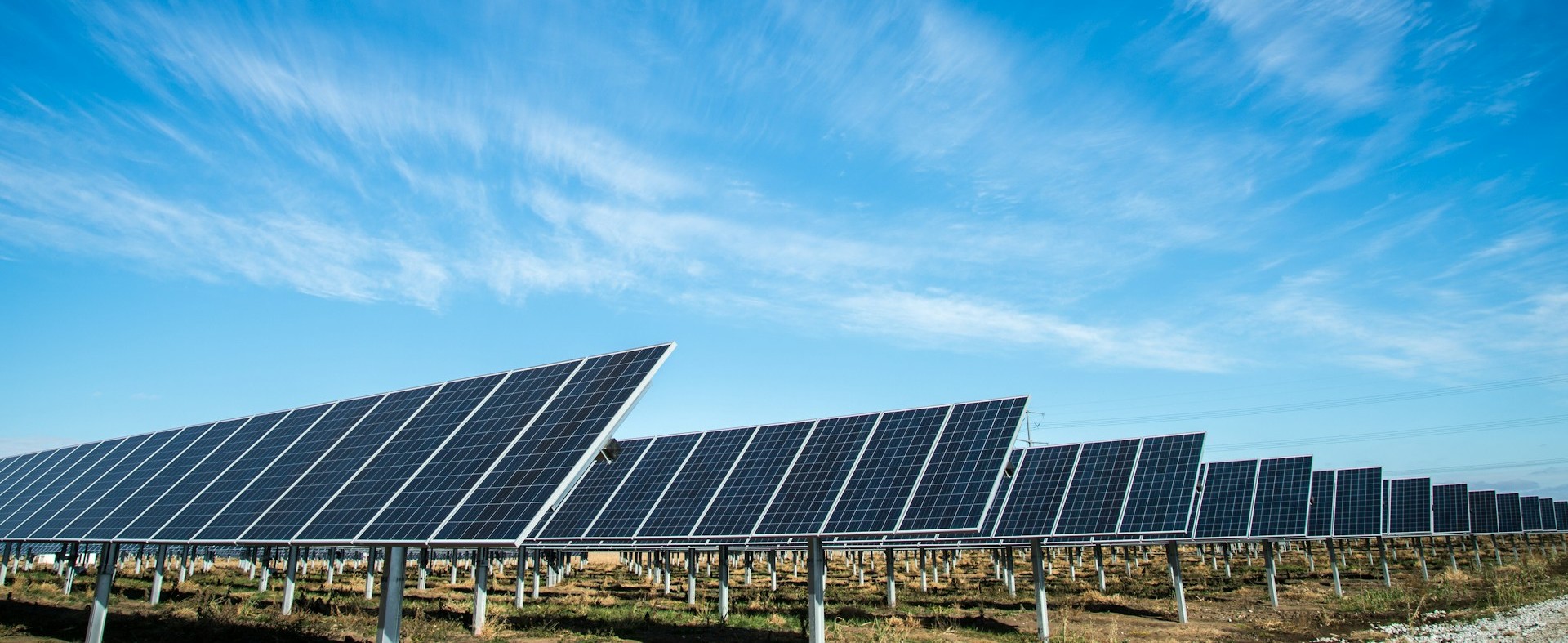
The project itself is anchored by a 25 year Power Purchase Agreement with a government off taker, a fixed tariff of 6.5 US¢/kWh, and a P50 generation estimate of 250 GWh per year. With political risk, availability assumptions, degradation, and financing structure all influencing returns, the model needed to capture the full lifecycle of the asset from COD (Commercial Operations Date) through debt repayment and long term operations.
FAST standard
The FAST Standard is a disciplined modelling methodology built around Flexibility, Accuracy, Structure, and Transparency, and in practice it means constructing spreadsheets that are easy to follow, easy to audit, and easy to modify. Under FAST, inputs are centralised, timelines are consistent across sheets, formulas are short and readable, and calculations flow in a clear left to right structure, allowing anyone to trace logic without digging through hidden cells or complex nesting.
It is the standard to follow when working on large and complex financial models within a team and is perfect for technical and non-technical stakeholders.
Model Architecture
The workbook is structured into clear, modular sheets. This structure ensures the model is easy to navigate, easy to audit, and easy to extend, consistent with FAST principles.
You can find the Excel file here.
| Sheet | Description |
|---|---|
| InpC | Centralised input sheet with scenario selectors, timing assumptions, technical parameters, O&M, financing, and accounting inputs. |
| Time | A fully dynamic timeline using flags and counters to drive operating periods, contract years, depreciation life, and senior debt repayment periods. |
| Ops | Revenue and O&M calculations including seasonal generation, degradation, tariff application, and escalation. |
| Acct | Depreciation schedules and asset book value roll‑forward. |
| Debt | Senior debt drawdown, interest, principal repayment, and DSCR calculations. |
| Equity | Share capital, retained earnings, retained cash, and dividend waterfall. |
| Metrics | Equity IRR, blended IRR, premium calculation, DSCR metrics, and scenario comparison outputs. |
| FS Qtr / FS Ann | Quarterly and annual financial statements (Income Statement, Cash Flow Statement, Balance Sheet). |
Building the model
The model follows a clean, modular architecture. inputs flow into calculations, which flow into outputs, with no circularity or hidden logic. All assumptions sit in a single input sheet, making the model easy to update and easy to audit. A dynamic timeline drives every calculation, ensuring that changes in COD, PPA length, or useful life automatically cascade through the model.
Revenue is built from the ground up. Seasonal generation, annual degradation, availability, and tariff structure combine to produce a realistic production profile. O&M (Operation and Maintanance) costs escalate annually, senior debt amortises quarterly, and depreciation follows the useful life of the solar asset. The equity waterfall then distributes cash to shareholders, allowing the model to compute both blended equity IRR and Aurelius’ standalone IRR.
One of the core objectives was to determine the investment premium Aurelius should pay at COD. The model isolates Aurelius’ share of distributions, discounts them appropriately, and solves for the premium required to meet the firm’s 12% target IRR. Scenario selectors allow the user to toggle between base cases and stress cases, instantly updating IRR, DSCR, and cash flow outcomes.
Execution
Although the model is built entirely in Excel, it behaves like a lightweight analytical engine. I relied heavily on FAST aligned techniques with consistent column structures, transparent formulas, named constants, and strict separation of inputs and calculations. The model includes quarterly and annual financial statements, a full debt schedule, and a scenario driven output dashboard.
To speed up development and maintain structural integrity, I used a range of advanced Excel shortcuts. For example (Ctrl + PageUp/PageDown) for navigation, (Ctrl + [) for formula auditing, (F4) reference anchoring, and (Alt + E + S + V) structured pasting. These shortcuts allowed me to work quickly without compromising accuracy.
I also incorporated VBA automation to streamline repetitive tasks, such as relocating input rows and resetting scenario structures. The macro ensures that formatting, spacing, and row integrity remain consistent with FAST principles, even as inputs evolve.
Outcome
The final model provides Aurelius Power with a clear, defensible view of the project’s economics. It quantifies the investment premium, highlights the sensitivity of returns to availability and degradation, and produces lender friendly DSCR metrics. Most importantly, it gives decision makers a transparent, auditable tool they can rely on. The model reflects both the complexity of the asset and the discipline of best practice modelling.
This project demonstrates my ability to build structured, investment grade financial models that combine technical rigour with practical usability. It also reflects my broader modelling philosophy of clarity over complexity and transparency above all.